Artifio Blog
Insights, tutorials, and the latest updates in AI technology
Loading posts...
AI content platforms are changing faster than any software category in history. The tools available today are dramatically more capable than what existed 18 months ago, and the tools available in 18 months will make today's look primitive.
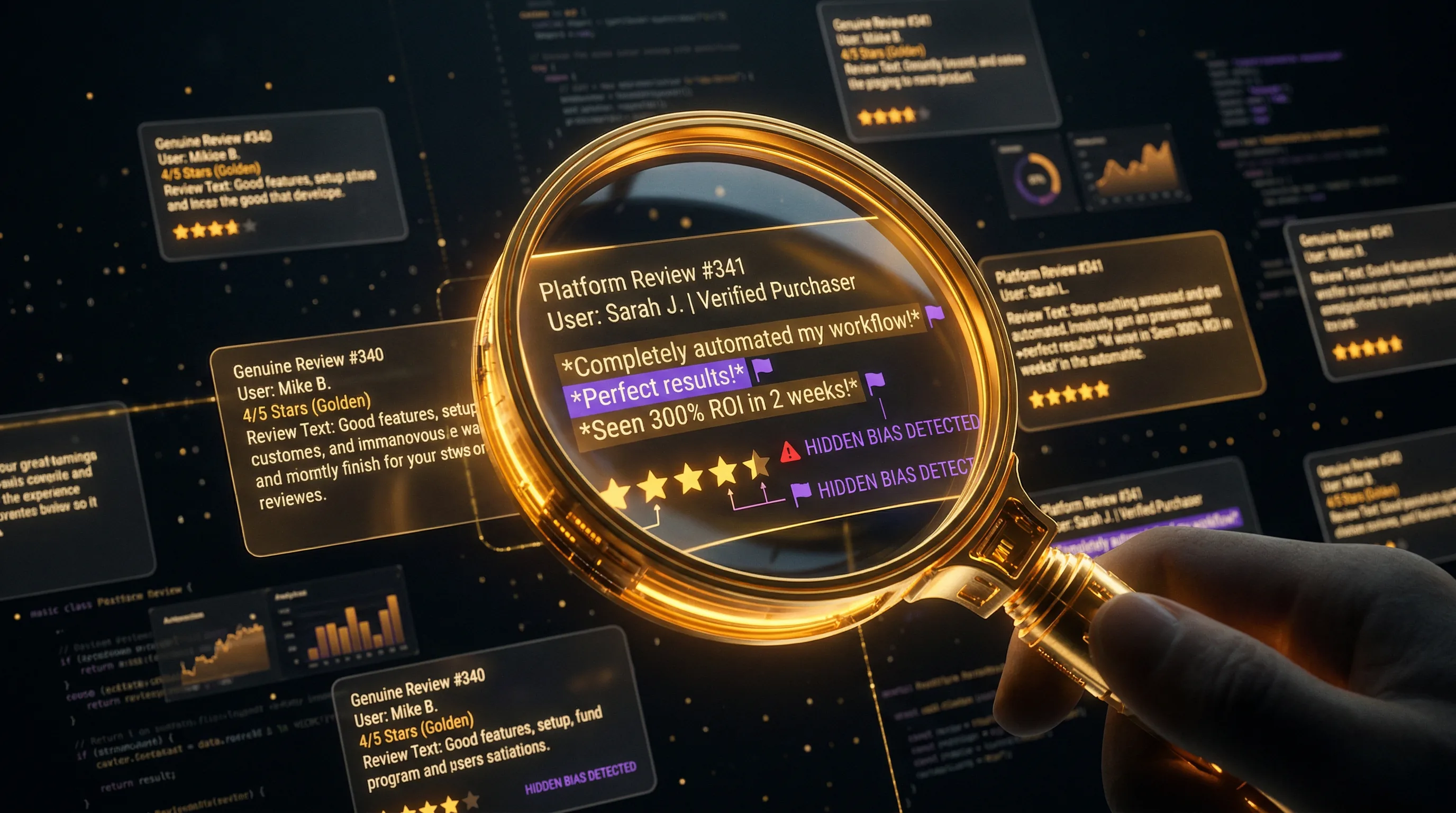
That "10 Best AI Content Tools for 2026" article you just found on Google? There's a 90% chance it's affiliate content — the author earns a commission when you click through and subscribe. The rankings don't reflect quality. They reflect which platforms pay the highest commissions.

Every prompt you type into an AI content platform — your content ideas, marketing strategies, product descriptions, customer information, and creative concepts — is data being transmitted to and processed on someone else's servers.

The AI tool landscape presents a fundamental choice: use one platform that handles everything (the all-in-one approach) or assemble a stack of best-in-class specialists for each content type (the specialist approach). A third option — the hybrid approach — combines the best of both.
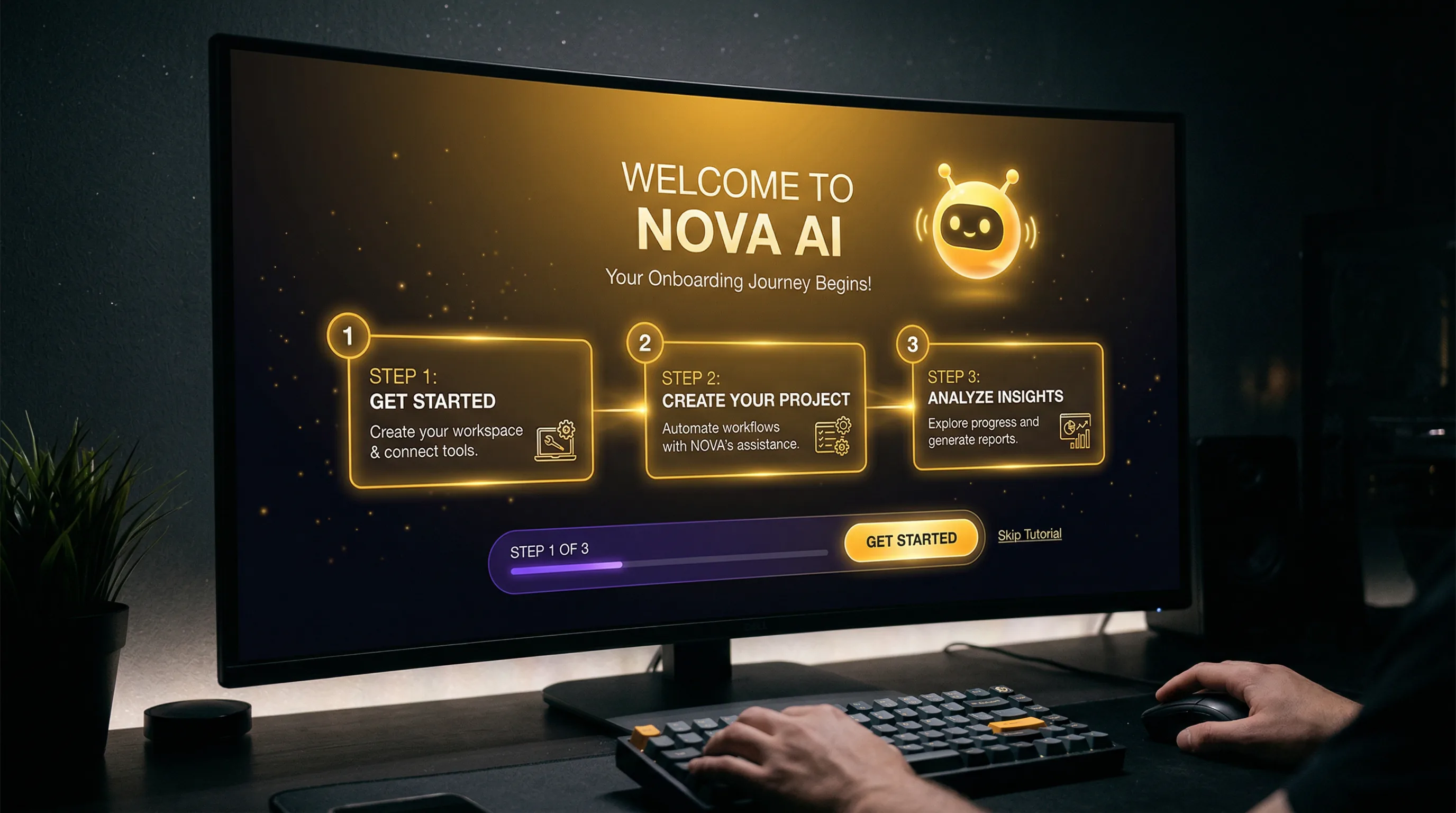
AI content platforms let you generate text, images, videos, and audio by writing instructions — called prompts — that tell the AI what to create. You don't need coding skills, design experience, or technical knowledge.

Choosing an AI content platform for yourself is one decision with one set of needs. Choosing one for a team — with different skill levels, different content needs, different usage patterns, and the added complexity of governance and cost management — is a fundamentally different challenge.
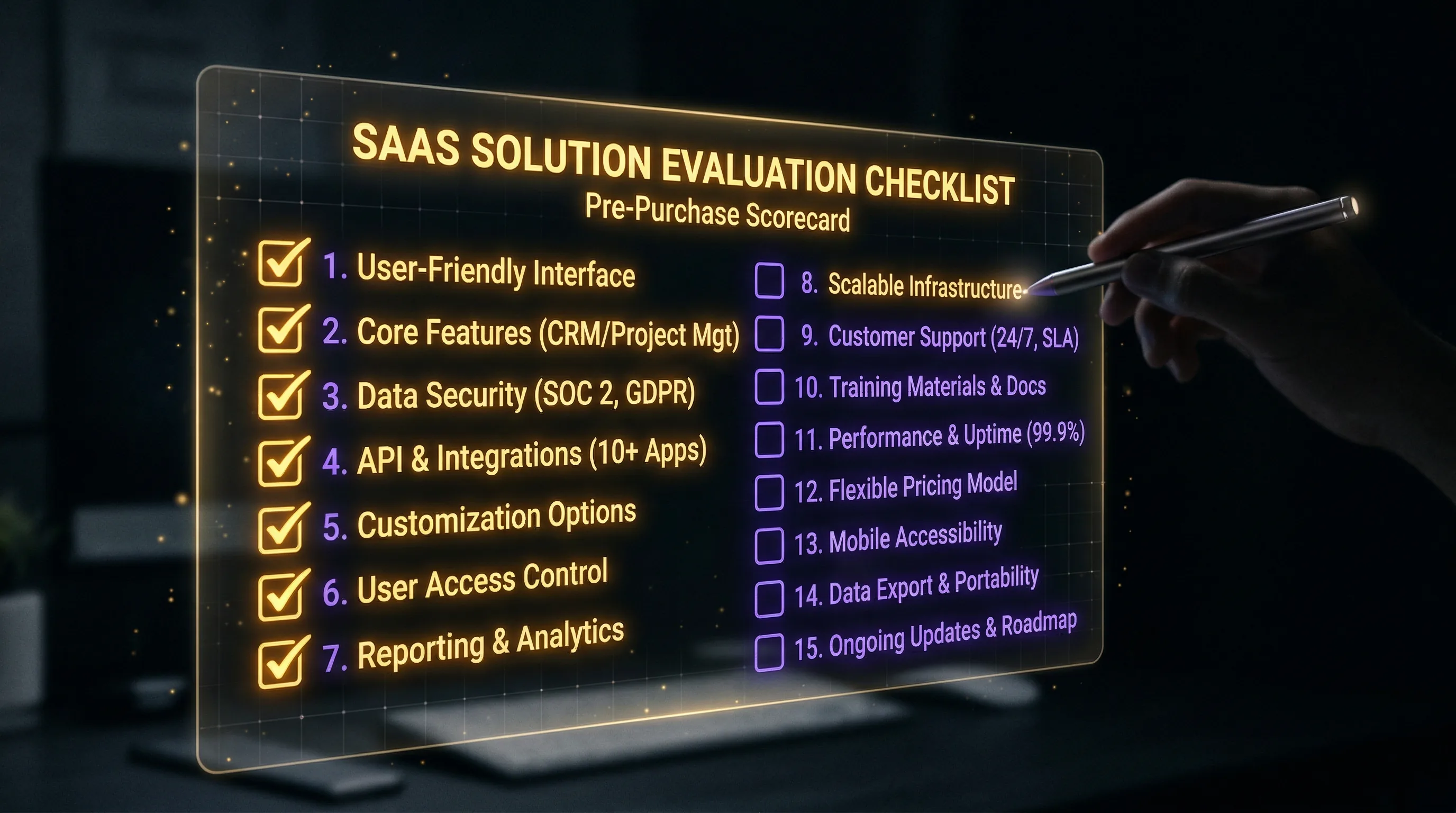
Before you hand over your credit card for an AI content platform, run through these 15 questions. Each one protects you from a common trap that catches first-time AI tool buyers: hidden fees that inflate your bill, quality problems that waste your time, support gaps that leave you stranded, and...
Insights, tutorials, and the latest updates in AI technology
Loading posts...
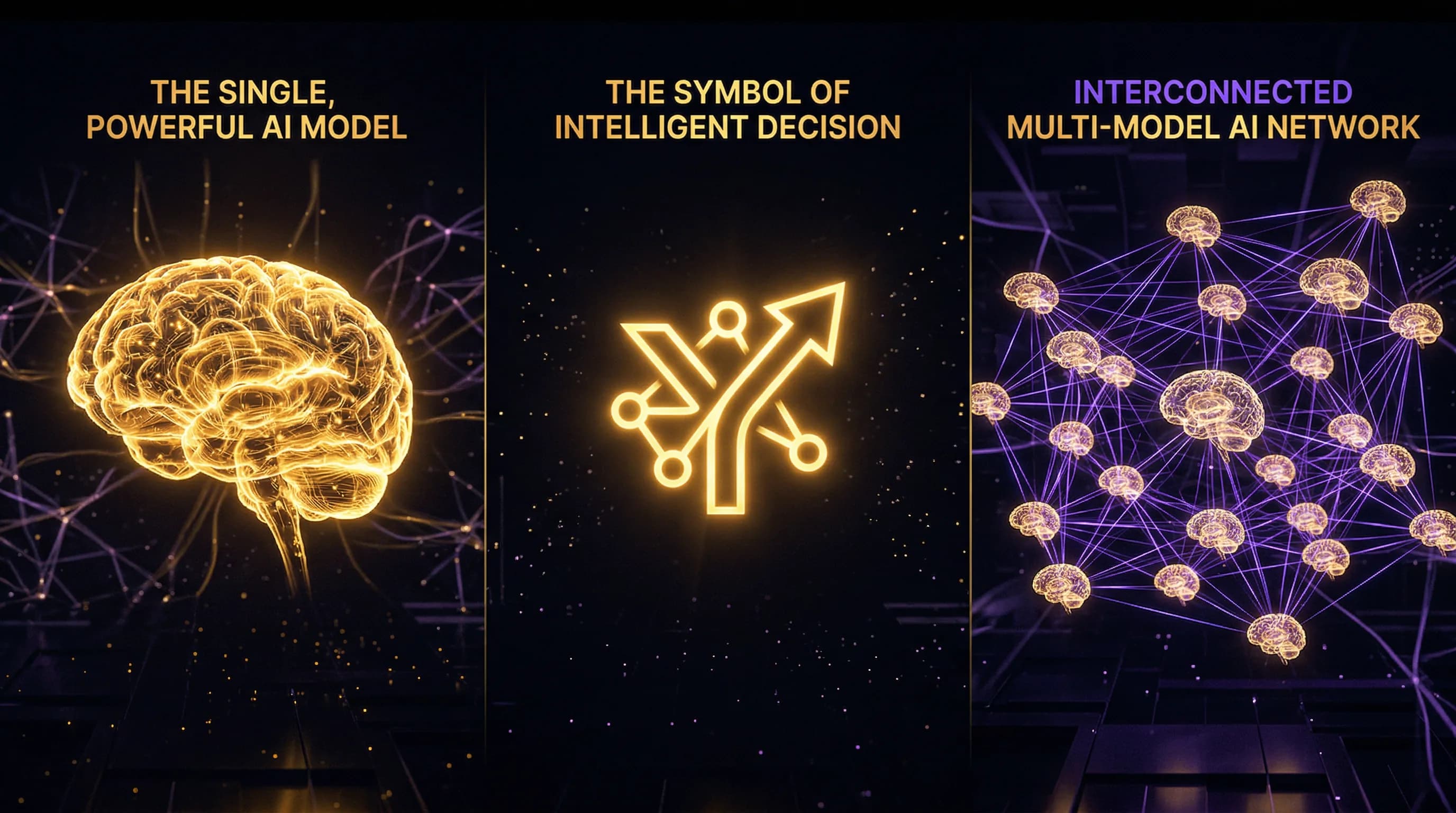
The AI platform market is splitting into two camps: platforms built around a single proprietary model and platforms that aggregate multiple models from different providers.
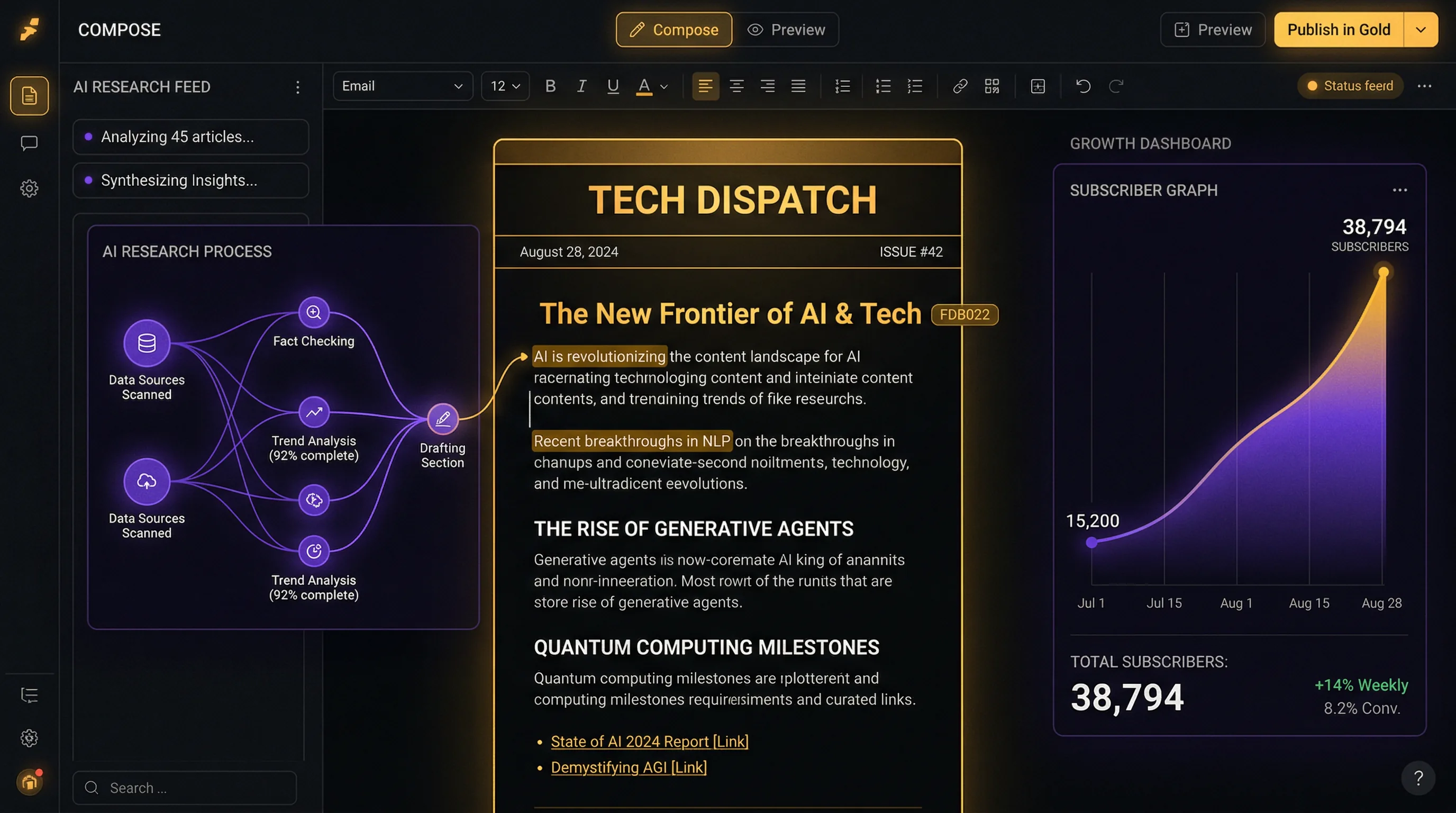
Newsletters are experiencing a renaissance — paid subscriptions, brand-building, audience ownership, and direct monetization have made newsletters one of the most valuable content channels. But the production grind is real.

Every AI platform comparison you'll find online is either sponsored, biased, or outdated — often all three. The "10 Best AI Tools" articles that dominate search results are affiliate content designed to earn commissions, not to help you make the best decision.

Building an online course traditionally takes three to six months of focused work — and that's if you already know your subject inside out.

Real estate agents create more content than almost any other profession: listing descriptions for every property, social media posts to stay visible, email campaigns to nurture leads, virtual staging to help buyers visualize spaces, neighborhood guides for local SEO, open house materials, and...
E-commerce is a content machine. Every product needs photos, descriptions, and marketing copy. Every campaign needs ad creatives, email sequences, and social posts. Every customer interaction needs FAQ answers, review responses, and support content.
An AI social media strategy that works on Instagram will fall flat on LinkedIn. What performs on TikTok will get ignored on Pinterest. Each social platform has its own culture, algorithm, content format preferences, and audience behavior.
AI product descriptions that convert share three traits: they lead with benefits instead of features, they include natural keywords for search visibility, and they create enough desire that the reader clicks "Add to Cart.
Podcast production eats time at every stage: researching topics, writing scripts or outlines, recording, editing, writing show notes, creating transcripts, and promoting across social media. A single 30-minute episode can consume eight or more hours of work.
User-generated content (UGC) outperforms polished brand content on nearly every metric that matters — click-through rate, engagement, conversions, and trust. But sourcing authentic UGC is slow, unpredictable, and often expensive when you hire UGC creators.
Your current AI platform raised prices, degraded quality, or doesn't offer the models you need. Switching feels risky — you've built prompts, workflows, and habits around it. Here's how to migrate smoothly without losing momentum. This topic matters more than most creators realize.
A faceless YouTube channel uses AI-generated narration, visuals, and music to produce videos without ever showing a human face on camera.
The AI model landscape is overwhelming — dozens of model families from multiple providers, each with different strengths and architectures. What are these models? How are they different? When should you use which? This plain-English guide cuts through the jargon.
You need 50 product descriptions. Or 30 social media posts. Or 20 email subject line variations. Generating them one at a time is painfully slow. Batch processing lets you produce large content volumes efficiently while maintaining quality. This topic matters more than most creators realize.
A system prompt is the most underused feature in AI platforms. It's like training a new employee once instead of re-explaining the job every time. Set it right, and every output matches your standards automatically. Here's how. This topic matters more than most creators realize.
There are hundreds of AI content platforms competing for your subscription dollars. Each one claims to be the best, the most powerful, the most creative. Most of those claims are marketing noise.
You've hit a billing issue with your AI platform. You open a support ticket and receive... an AI-generated response that solves nothing. AI platform customer support ranges from excellent to nonexistent. Here's how to evaluate support quality and get problems actually resolved.
There are hundreds of AI models available. Some excel at creative writing, others at factual content. Some produce photorealistic images, others stunning illustrations. Choosing the right model is the highest-lean on decision you can make. Here's the framework.
Halfway through your AI conversation, it starts contradicting what it said earlier. Or it generates a blog post conclusion that ignores the introduction. The culprit: context windows — the limit on how much an AI can 'remember' at once. This topic matters more than most creators realize.
Prompt engineering is the most valuable AI skill you can develop. The difference between mediocre and excellent AI output is almost always the prompt. This in-depth guide covers everything from fundamentals to advanced techniques across text, image, video, and audio.
Every prompt you type into an AI tool is data. If you include customer information, audience insights, or personal data in your prompts, you need to understand the privacy implications. Here's how to use AI tools while protecting your audience's data.
You're writing a medical article and the AI refuses to discuss symptoms. You're creating a crime novel and it won't generate conflict. Content filters protect against real harm, but they often catch legitimate creative and professional work. Here's how to navigate them.
What happens if your AI-generated content contains a defamatory claim? Or inaccurate health advice? Or a copyright infringement? Liability for AI content ultimately falls on the publisher — that's you. Here's what you need to know about protecting yourself.
Marketing in regulated industries — health, finance, legal — comes with strict advertising standards. AI can help produce this content, but the compliance requirements don't disappear because AI wrote it. Here's how to stay compliant. This topic matters more than most creators realize.
AI voice cloning can replicate anyone's voice from a short audio sample. This creates powerful creative possibilities and serious legal risks. Here's what creators need to know about using voice AI responsibly. This topic matters more than most creators realize.
AI content disclosure requirements are expanding rapidly. The EU AI Act, national regulations, and platform policies all create a patchwork of requirements. This guide maps the current landscape so you know exactly what's required wherever you publish.
AI content creation isn't a single tool doing a single thing. It's a toolkit that adapts to wildly different jobs — from building a faceless YouTube channel to writing product descriptions for an online store with 5,000 SKUs.
You clicked 'I agree' without reading the terms. Most people do. But AI platform terms of service contain clauses that directly affect who owns your content, how your data is used, and what you can do with AI-generated output. Here's what they actually say.
Using AI for content creation raises ethical questions that didn't exist five years ago. This isn't a philosophical treatise — it's a practical guide to the ethical choices you face daily as an AI-assisted creator, with clear guidance on where to draw lines.
Is using AI to write content plagiarism? The short answer is no — but there are nuances and gray areas that creators need to understand. This guide clarifies the distinctions between AI generation, plagiarism, and copyright infringement. This topic matters more than most creators realize.
Small businesses used to lose the content marketing game to bigger competitors with bigger budgets, bigger teams, and more resources dedicated to content production. That competitive gap is closing rapidly.
AI image copyright is one of the most confusing legal questions facing creators in 2026. You spent an hour refining prompts, iterated through dozens of generations, and produced a stunning image you want to use commercially.
Producing content with AI is easy. Knowing which AI-produced content actually works — which pieces drive traffic, engage readers, and generate business results — is the hard part that separates profitable AI content operations from expensive content factories producing noise.
Lead magnets are the currency of content marketing — the valuable assets you offer in exchange for email addresses, building the subscriber lists that drive long-term business growth. But creating high-quality lead magnets from scratch traditionally takes days of writing, designing, and refining.
You spent hours creating one great blog post. With AI, you can turn that single piece into a LinkedIn article, a Twitter thread, an email newsletter section, a YouTube script, Instagram captions, a podcast outline, an infographic brief, a slide deck framework, and more — in minutes rather than...
Most people use 10% of what their AI platform offers. They type a prompt, get output, and repeat — missing the features, settings, and workflow strategies that produce dramatically better results. This guide turns you from a casual user into a power user.
The narrative that AI is killing freelance writing is both overblown and partially true — and understanding which part is which determines whether AI becomes your biggest competitive threat or your most powerful business tool.
A content calendar without AI is a plan. A content calendar with AI is a production system — one that turns strategic planning into published content at a pace and consistency that manual workflows simply cannot match.
Content workflows have too many manual steps that consume time without adding proportional value. AI can automate or significantly accelerate most of these steps — from ideation and research synthesis to drafting and cross-format reformatting.
Email marketing remains the highest-ROI digital channel for most businesses — consistently delivering returns that exceed social media, paid search, and display advertising combined.
Free AI tools are everywhere — and they're genuinely tempting. Why pay when you can generate content at no cost? But "free" always comes with tradeoffs that aren't visible on the sign-up page: quality limitations, usage caps, data practices you might not agree with, or feature restrictions that...
AI can generate SEO content fast — but speed without strategy produces content that never ranks. Thousands of websites have flooded the internet with AI-generated articles that sit on page 5 of search results, generating zero traffic despite costing real credits to produce.
Agencies face a unique AI opportunity that individual creators don't: the ability to use AI tools to dramatically reduce production costs while delivering high-quality content to multiple clients at competitive rates — keeping the efficiency gains as improved margins.