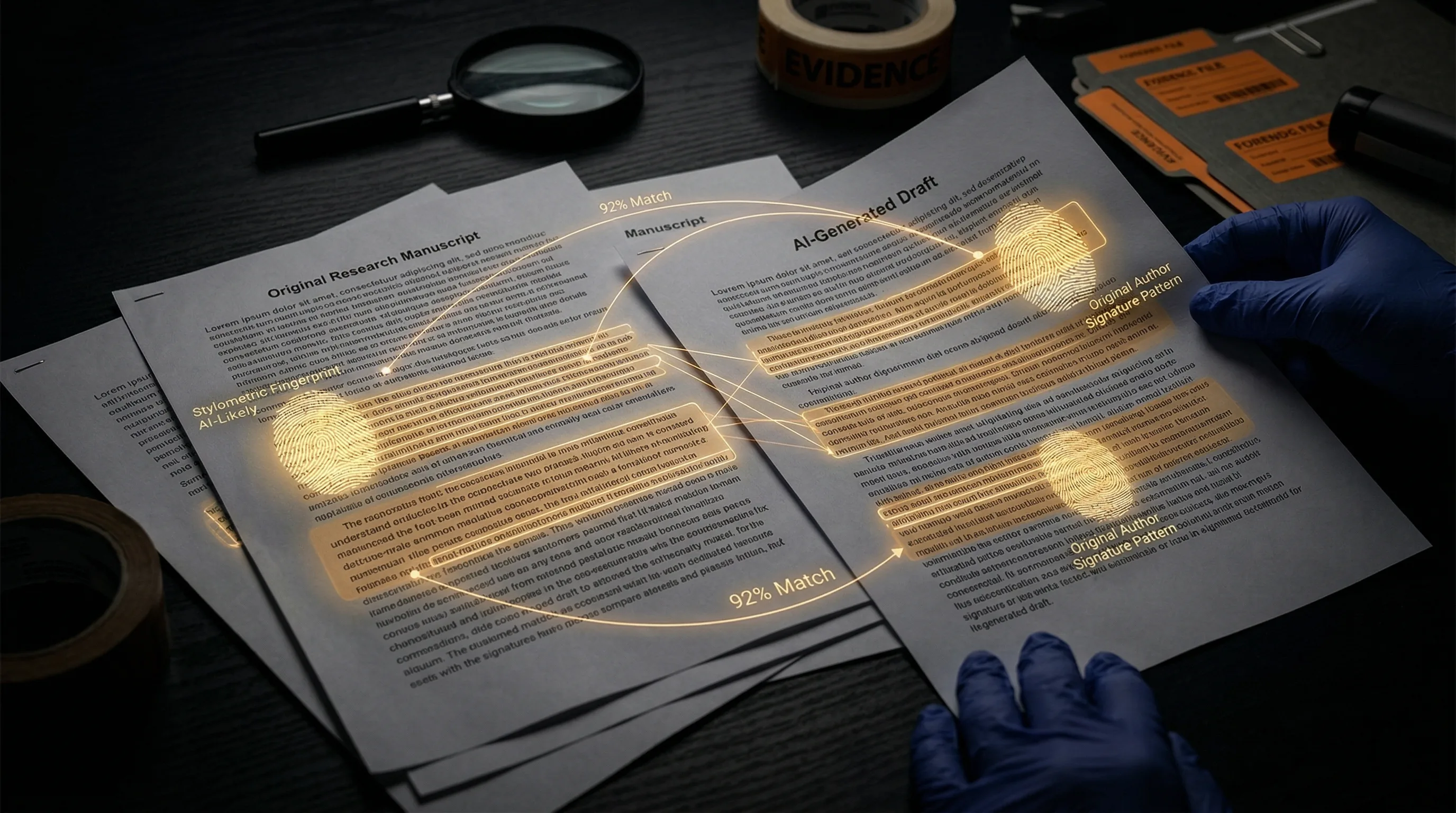
AI Content and Plagiarism: Understanding the Rules, Risks, and Gray Areas
Is using AI to write content plagiarism? The short answer is no — but there are nuances and gray areas that creators need to understand. This guide clarifies the distinctions between AI generation, plagiarism, and copyright infringement. This topic matters more than most creators realize.

The Artifio editorial team publishes research, tutorials, and release notes covering image, video, and audio generation models. All posts are reviewed by an editor before publishing.
Is using AI to write content plagiarism? The short answer is no — but there are nuances and gray areas that creators need to understand. This guide clarifies the distinctions between AI generation, plagiarism, and copyright infringement.
This topic matters more than most creators realize. The decisions you make here affect not just your current projects but your long-term professional standing, your legal exposure, and the trust your audience places in your work. Taking the time to understand these concepts thoroughly pays dividends in every piece of content you create going forward.
AI Content Is Not Plagiarism (But It's Complicated)
Why AI Generation ≠ Plagiarism
Plagiarism is presenting someone else's work as your own — AI output isn't 'someone else's' This is a critical consideration for creators who want to stay ahead of the curve. Understanding these dynamics helps you make better decisions about your content strategy, protect your work, and build sustainable practices that withstand legal scrutiny and audience expectations as the AI market continues evolving rapidly.
However, AI may reproduce phrases or passages from training data This is a critical consideration for creators who want to stay ahead of the curve. Understanding these dynamics helps you make better decisions about your content strategy, protect your work, and build sustainable practices that withstand legal scrutiny and audience expectations as the AI scene continues evolving rapidly.
Where the Gray Areas Are
Plagiarism is presenting someone else's work as your own — AI output isn't 'someone else's' This is a critical consideration for creators who want to stay ahead of the curve. Understanding these dynamics helps you make better decisions about your content strategy, protect your work, and build sustainable practices that withstand legal scrutiny and audience expectations as the AI space continues evolving rapidly.
However, AI may reproduce phrases or passages from training data This is a critical consideration for creators who want to stay ahead of the curve. Understanding these dynamics helps you make better decisions about your content strategy, protect your work, and build sustainable practices that withstand legal scrutiny and audience expectations as the AI world continues evolving rapidly.
When AI Content Can Cross Legal Lines
Reproducing Copyrighted Training Data
AI may occasionally reproduce passages from copyrighted works in its training data This is a critical consideration for creators who want to stay ahead of the curve. Understanding these dynamics helps you make better decisions about your content strategy, protect your work, and build sustainable practices that withstand legal scrutiny and audience expectations as the AI market continues evolving rapidly.
Output that's substantially similar to existing works creates infringement risk This is a critical consideration for creators who want to stay ahead of the curve. Understanding these dynamics helps you make better decisions about your content strategy, protect your work, and build sustainable practices that withstand legal scrutiny and audience expectations as the AI scene continues evolving rapidly.
Substantial Similarity Risks
AI may occasionally reproduce passages from copyrighted works in its training data This is a critical consideration for creators who want to stay ahead of the curve. Understanding these dynamics helps you make better decisions about your content strategy, protect your work, and build sustainable practices that withstand legal scrutiny and audience expectations as the AI space continues evolving rapidly.
Output that's substantially similar to existing works creates infringement risk This is a critical consideration for creators who want to stay ahead of the curve. Understanding these dynamics helps you make better decisions about your content strategy, protect your work, and build sustainable practices that withstand legal scrutiny and audience expectations as the AI world continues evolving rapidly.
Regulatory Disclosure Requirements
AI may occasionally reproduce passages from copyrighted works in its training data This is a critical consideration for creators who want to stay ahead of the curve. Understanding these dynamics helps you make better decisions about your content strategy, protect your work, and build sustainable practices that withstand legal scrutiny and audience expectations as the AI market continues evolving rapidly.
Output that's substantially similar to existing works creates infringement risk This is a critical consideration for creators who want to stay ahead of the curve. Understanding these dynamics helps you make better decisions about your content strategy, protect your work, and build sustainable practices that withstand legal scrutiny and audience expectations as the AI scene continues evolving rapidly.
Best Practices for Ethical AI Content
Run Plagiarism Checks on AI Output
Always run AI output through plagiarism detection as standard practice This is a critical consideration for creators who want to stay ahead of the curve. Understanding these dynamics helps you make better decisions about your content strategy, protect your work, and build sustainable practices that withstand legal scrutiny and audience expectations as the AI space continues evolving rapidly.
Original analysis, experience, and data make content distinctively yours This is a critical consideration for creators who want to stay ahead of the curve. Understanding these dynamics helps you make better decisions about your content strategy, protect your work, and build sustainable practices that withstand legal scrutiny and audience expectations as the AI world continues evolving rapidly.
Add Original Elements to Every Piece
Always run AI output through plagiarism detection as standard practice This is a critical consideration for creators who want to stay ahead of the curve. Understanding these dynamics helps you make better decisions about your content strategy, protect your work, and build sustainable practices that withstand legal scrutiny and audience expectations as the AI market continues evolving rapidly.
Original analysis, experience, and data make content distinctively yours This is a critical consideration for creators who want to stay ahead of the curve. Understanding these dynamics helps you make better decisions about your content strategy, protect your work, and build sustainable practices that withstand legal scrutiny and audience expectations as the AI scene continues evolving rapidly.
Transparent Disclosure
Always run AI output through plagiarism detection as standard practice This is a critical consideration for creators who want to stay ahead of the curve. Understanding these dynamics helps you make better decisions about your content strategy, protect your work, and build sustainable practices that withstand legal scrutiny and audience expectations as the AI space continues evolving rapidly.
Original analysis, experience, and data make content distinctively yours This is a critical consideration for creators who want to stay ahead of the curve. Understanding these dynamics helps you make better decisions about your content strategy, protect your work, and build sustainable practices that withstand legal scrutiny and audience expectations as the AI world continues evolving rapidly.
Artifio enables ethical AI content creation with transparent model access and clear usage tracking that supports disclosure requirements.
Context-Specific Guidelines
Academic Settings
Academic: follow your institution's specific AI policy This is a critical consideration for creators who want to stay ahead of the curve. Understanding these dynamics helps you make better decisions about your content strategy, protect your work, and build sustainable practices that withstand legal scrutiny and audience expectations as the AI market continues evolving rapidly.
Publishing: most publishers now have AI use policies — read them This is a critical consideration for creators who want to stay ahead of the curve. Understanding these dynamics helps you make better decisions about your content strategy, protect your work, and build sustainable practices that withstand legal scrutiny and audience expectations as the AI scene continues evolving rapidly.
Professional Publishing
Academic: follow your institution's specific AI policy This is a critical consideration for creators who want to stay ahead of the curve. Understanding these dynamics helps you make better decisions about your content strategy, protect your work, and build sustainable practices that withstand legal scrutiny and audience expectations as the AI space continues evolving rapidly.
Publishing: most publishers now have AI use policies — read them This is a critical consideration for creators who want to stay ahead of the curve. Understanding these dynamics helps you make better decisions about your content strategy, protect your work, and build sustainable practices that withstand legal scrutiny and audience expectations as the AI world continues evolving rapidly.
Marketing and Business Content
Academic: follow your institution's specific AI policy This is a critical consideration for creators who want to stay ahead of the curve. Understanding these dynamics helps you make better decisions about your content strategy, protect your work, and build sustainable practices that withstand legal scrutiny and audience expectations as the AI market continues evolving rapidly.
Publishing: most publishers now have AI use policies — read them This is a critical consideration for creators who want to stay ahead of the curve. Understanding these dynamics helps you make better decisions about your content strategy, protect your work, and build sustainable practices that withstand legal scrutiny and audience expectations as the AI scene continues evolving rapidly.
For a detailed overview, see our complete guide to this topic area.
Related reading: explore related guidance on this topic for additional insights and practical frameworks.
Related reading: explore related guidance on this topic for additional insights and practical frameworks.
For authoritative reference, see the Turnitin AI writing guidance — Major plagiarism detection platform with AI content guidance.
Frequently Asked Questions
Is using AI to write content plagiarism?
Not in the traditional legal sense. Plagiarism is presenting someone else's specific work as your own. AI generates new text rather than copying existing work. However, ethical use requires transparency about AI involvement and checking for unintentional reproduction.
Can AI accidentally plagiarize?
AI can occasionally reproduce phrases or passages from its training data, creating potential copyright issues. Running AI output through plagiarism detection tools catches these cases. It's rare but worth checking for.
Do I need to cite AI tools?
Increasingly, yes. Academic settings often require it. Professional contexts are developing standards. At minimum, be prepared to disclose AI assistance if asked. Many style guides now include AI citation guidance.
Is AI content considered original?
AI content is new text, not copied text. However, it lacks original insight — it synthesizes existing knowledge without creating new ideas. Adding your original expertise, data, and perspective is what makes AI-assisted content genuinely original.
How do I check AI content for plagiarism?
Run AI output through standard plagiarism detection tools before publishing. These tools check against published content databases. Also check for factual accuracy, as AI may attribute ideas to wrong sources.
Create ethically and transparently with Artifio. 100+ AI models, clear usage records, and a platform designed for responsible content creation. Get started with Artifio today.