Artifio Blog
Insights, tutorials, and the latest updates in AI technology

AI-Generated Financial Content: Ensuring Accuracy in a High-Stakes Domain
AI-generated financial content is one wrong number away from misleading investors, violating regulations, or permanently destroying credibility. Finance demands a higher accuracy standard than nearly any other content domain.

Using AI for Research: How to Get Accurate Information Without Fabricated Data
Using AI for research accuracy means leveraging AI's strengths — synthesizing large volumes of information, identifying patterns, and organizing data — while guarding against its weaknesses: fabricating studies, misattributing findings, and presenting outdated information as current.
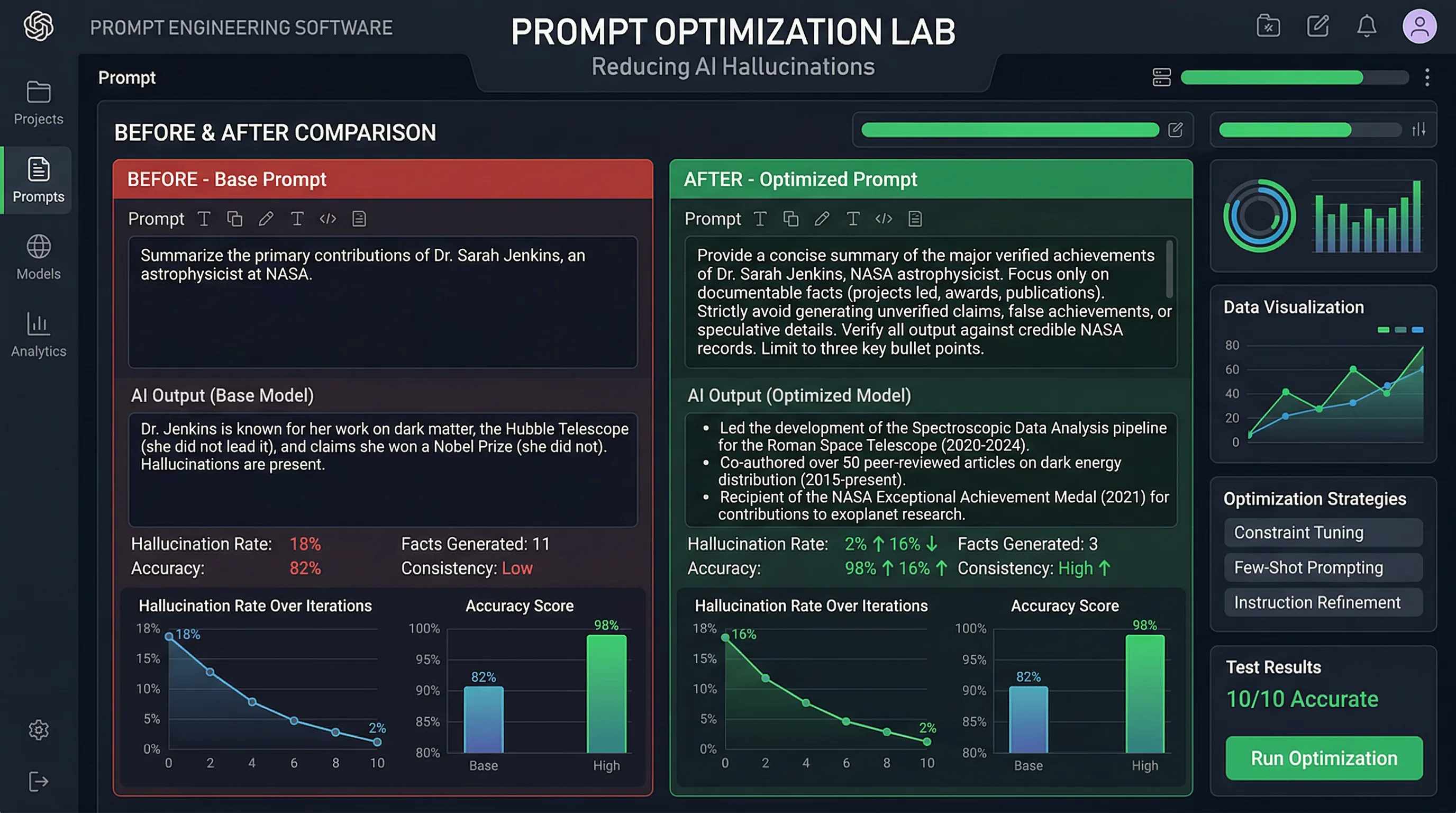
10 Prompt Engineering Techniques That Dramatically Reduce AI Hallucinations
You can dramatically reduce AI hallucinations — fabricated facts, invented sources, wrong data — with the right prompting techniques. The same AI model can hallucinate frequently or rarely depending on how you prompt it.

AI Content Marketing Strategy: How to Drive Traffic, Leads, and Revenue with AI-Assisted Content
AI isn't just changing how content is created — it's changing what's possible in content marketing strategy.

Using AI for Medical and Health Content: A Safety-First Approach to Accuracy
AI-generated medical and health content carries uniquely high risk because the consequences of inaccuracy aren't just reputational — they can directly harm people.

Why AI Content Quality Degrades Over Time (and How to Prevent It)
AI quality degradation is the real or perceived decline in output quality from AI models over time. If your favorite AI tool used to produce great content but lately the output feels worse — more generic, less creative, less responsive to your instructions — you're not imagining things.

AI Fabricated Sources: How to Spot and Prevent Fake Citations in AI Content
AI fabricated sources are citations, references, and links generated by AI that look real but don't exist. Your AI tool will confidently cite a study from a real journal, give you the author names, the publication year, and even a DOI — and none of it will be real.
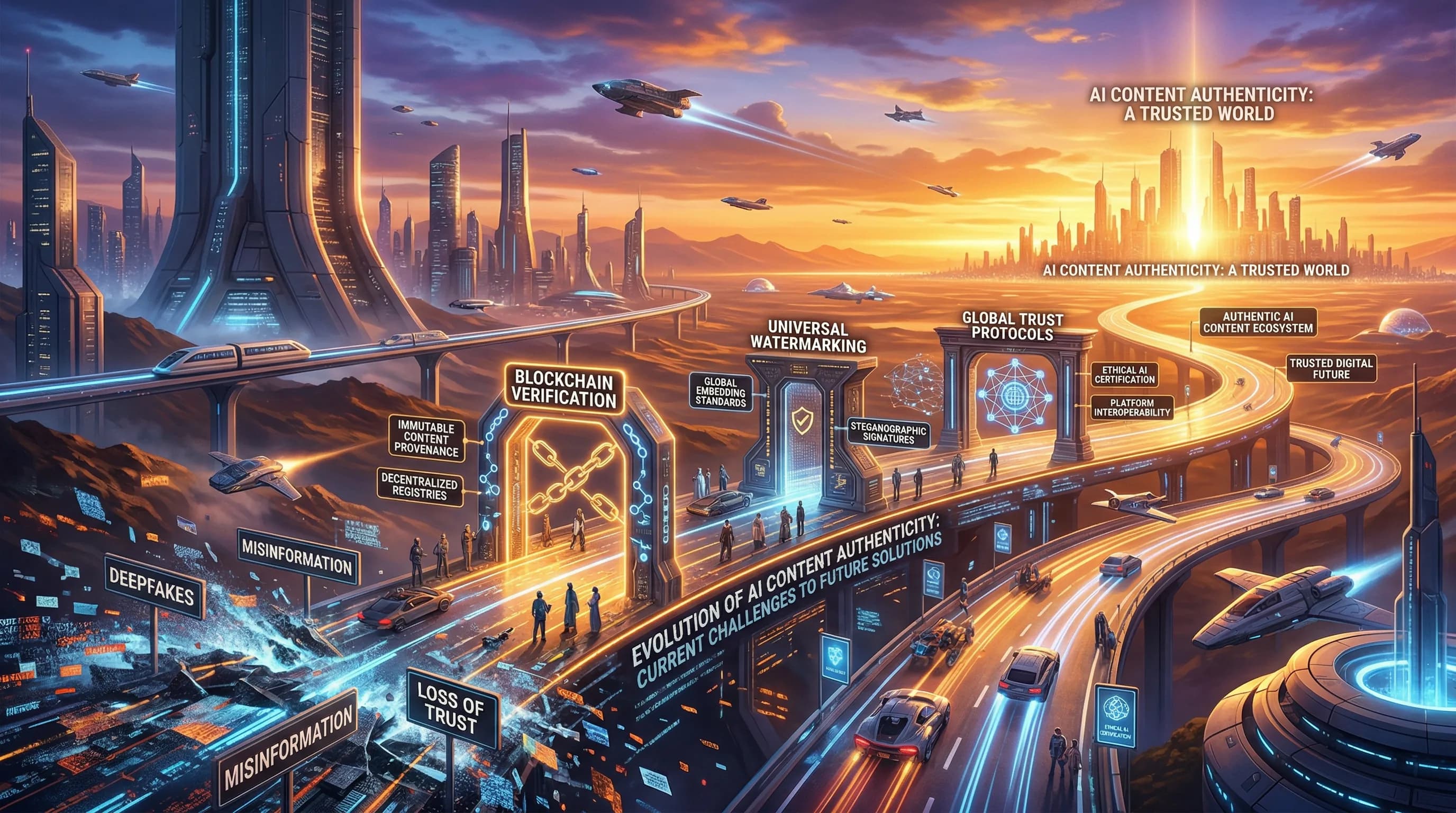
The Future of AI Content: How Authenticity Will Define the Next Era of Digital Media
The future of AI content is being shaped right now by regulation, technology, platform policies, and audience expectations — all shifting simultaneously. Watermarking is becoming standard. Disclosure laws are expanding globally. Audiences are developing sharper instincts for quality.

The AI Content Fact-Checking Workflow: Catch Errors Before They Damage Your Reputation
AI content fact-checking is the systematic process of verifying every factual claim in AI-generated text before publication. Every piece of AI-generated content contains potential inaccuracies — from subtly wrong dates to completely fabricated statistics.

AI Content in Education: Navigating Detection, Disclosure, and Academic Integrity
AI content in education sits at the intersection of technology, learning, and academic integrity — and the landscape is still being sorted out. Schools scramble to create policies. Teachers rely on detection tools that frequently give wrong results. Students get caught in the crossfire.

How to Spot AI-Generated Content: A Reader's Guide to Identifying Machine-Written Text
You can learn to spot most AI-generated content without any detection tool — once you know the patterns, they're remarkably consistent. AI text has telltale phrases, structural habits, and depth limitations that become obvious with practice.
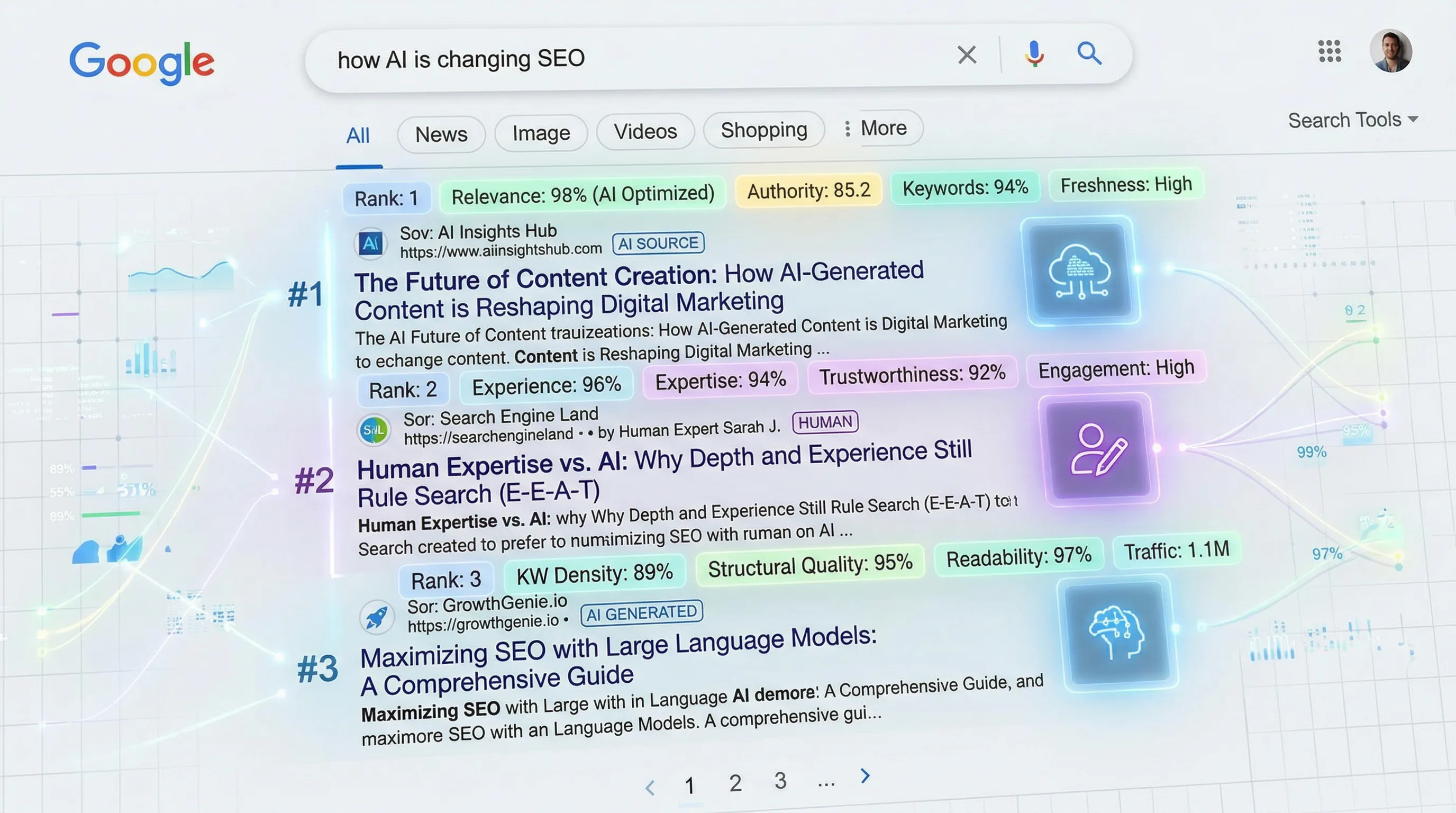
How Google Treats AI Content in 2026: Ranking Factors, Penalties, and Best Practices
Google does not penalize AI-generated content for being AI-generated. It penalizes low-quality content regardless of how it was made. That distinction matters enormously for every creator and marketer using AI tools.